The Rise of IoT in Industrial Automation
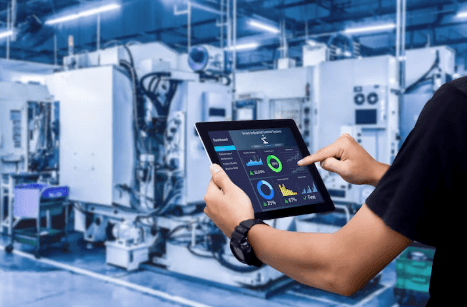
IoT is redefining industrial automation by enabling real-time data collection, edge processing, and centralized analytics. Interoperability, security, and governance underpin reliable deployments, while platform standards support scalable integration. Roadmap-driven implementations translate goals into measurable outcomes, including reduced downtime and proactive maintenance. As architectures scale and risk is managed, manufacturers gain predictability in ROI and resilience across complex ecosystems. This shift invites scrutiny of implementation choices and governance models to sustain progress.
What IoT Changes in Industrial Automation Enable
IoT enables industrial automation to transition from reactive to proactive operations by providing real-time data collection, edge processing, and centralized analytics. This shift enables automated decision-making, faster response times, and unified asset visibility. Interoperability challenges must be addressed to ensure seamless integration across devices. Edge computing benefits include reduced latency, bandwidth savings, and localized control, enhancing operational resilience and scalability.
How Real-Time Data Drives Predictive Maintenance
Real-time data streams enable predictive maintenance by continuously monitoring machine health indicators, such as vibration, temperature, and energy consumption, to identify anomalous patterns before failures occur.
Real time data informs condition-based interventions, enabling optimized maintenance windows and reduced downtime.
Outcomes include extended asset life, lower spare parts cost, and improved reliability, while predictive maintenance drives smarter operational decision-making and uptime guarantees.
Security and Reliability in IoT-Driven Plants
The discussion emphasizes security auditing, firmware resilience, platform interoperability, and data governance to sustain operation, ensure traceability, and minimize risk.
Outcomes include measurable resilience, auditable compliance, and streamlined cross-system integration for safer, autonomous industrial processes.
Choosing an IoT Strategy: Platforms, Standards, and Roadmaps
How should an organization select an IoT strategy that aligns platforms, standards, and roadmaps with measurable outcomes? The approach emphasizes objective criteria: platform selection favors interoperability, security, and scalability, while standards ensure compatibility across vendors and data integrity. Roadmap alignment translates goals into incremental milestones, resource plans, and risk mitigations, delivering predictable ROI and disciplined execution across the plant.
See also: The Rise of Real-Time Data Insights
Frequently Asked Questions
How Does Iot Affect Worker Training and Skills Gaps?
IoT accelerates continuous learning by highlighting training gaps and enabling targeted skill upgradation through on-the-job data, simulations, and modular modules. This approach yields measurable proficiency improvements, empowering workers to adapt with autonomy while sustaining operational outcomes and safety compliance.
What Is the ROI Timeline for Iot Implementations?
ROI timing typically spans months to several years, depending on scope, with deployment milestones shaping cash flow. It answers the question of payback. The timeline emphasizes efficiency gains, asset utilization, and measurable productivity improvements for freedom-minded operations.
How Are Legacy Systems Integrated With Iot Platforms?
Legacy integration across IoT platforms hinges on platform compatibility, governed data lineage, and governance controls; energy efficiency improvements and ROI timelines emerge, while worker training closes skills gaps, enabling freedom to innovate.
What Governance Controls Ensure Data Lineage and Accountability?
[Answer] Irony greets the viewer: data governance enforces data lineage and accountability through strict governance controls; it defines provenance, access, and change history to ensure traceable decisions, compliant workflows, and freedom-minded, outcomes-driven data stewardship.
How Do Iot Deployments Impact Energy Efficiency Metrics?
IoT deployments impact energy efficiency by enabling energy optimization through real-time monitoring and adaptive control, while device interoperability reduces redundant sensing and power draws, leading to improved operational throughput and predictable energy usage across heterogeneous systems.
Conclusion
IoT in industrial automation acts as a vigilant orchestra, translating disparate sensors into a coherent score of insight. Real-time data fuels predictive maintenance, reducing unplanned downtime and extending asset life. Security and reliability guard the beat, while platform standards and roadmaps ensure scalable, future-proof harmony. By pairing interoperable architectures with risk-aware governance, manufacturers achieve measurable ROI and resilient operations, transforming chaotic plant environments into synchronized ecosystems where efficiency, safety, and autonomy rise in concert.