
Importance of Proper Pipe Insulation
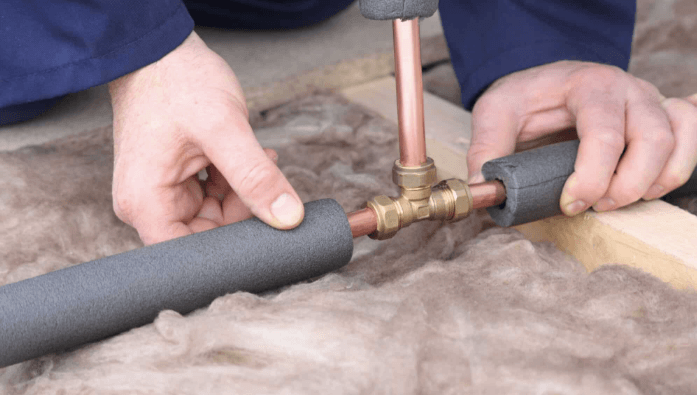
Proper pipe insulation reduces heat loss and stabilizes supply temperatures, enhancing indoor comfort and shower performance. It limits thermal exchange, lowers energy demand for water heating, and minimizes standby losses. Material choice, installation quality, and fit are crucial; gaps and moisture ingress degrade performance. Well-installed insulation is durable and cost-effective over time. The implications extend beyond immediate comfort, inviting consideration of system design and maintenance as key factors in long-term efficiency.
Why Pipe Insulation Matters for Home Comfort
Pipe insulation directly affects indoor comfort by minimizing heat loss from hot water lines and heat gain into cold water lines, thereby stabilizing supply temperatures and reducing fluctuations in shower and faucet performance.
The methodical assessment demonstrates that thermal continuity supports consistent user experience, independent of occupant behavior.
Irrelevant tangent phrasing and unrelated topic references are avoided to maintain technical relevance and clarity.
How Insulation Cuts Energy Use and Costs
Insulation reduces energy use and costs by limiting heat transfer between hot water lines and surrounding environments, thereby lowering water-heating demand and improving system efficiency.
This section analyzes mechanisms of heat retention, surface losses, and standby heat loss reductions.
It examines insulation materials selection, thermal conductivity, and installation quality, linking these factors to measurable energy savings and predictable operating costs over system lifespans.
Choosing the Right Insulation for Your Pipes
Choosing the appropriate insulation for pipes requires balancing material properties, environmental conditions, and system operating parameters identified in the prior discussion of energy savings. This selection hinges on insulation materials compatibility with temperature ranges, moisture resistance, and ease of installation.
Consider long‑term reliability, durability, and cost.
Pipe wrap advantages include reduced heat loss and condensation control, informing a disciplined, evidence‑driven choice.
See also: The Rise of Real-Time Data Insights
Common Pitfalls and Best Practices for Installation
Common pitfalls and best practices during installation revolve around meticulous preparation, adherence to standard procedures, and verification of workmanship. The analysis emphasizes insulation materials selection, correct fit, and avoidance of gaps. Adherence to installation techniques ensures wrap continuity, secure fastening, and proper sealing at joints. Documentation, inspection, and functional testing deter defects, promoting durable performance and predictable energy efficiency.
Conclusion
Proper pipe insulation directly affects comfort, energy use, and system reliability. By minimizing heat exchange, insulated pipes maintain stable temperatures and reduce boiler or water heater runtime. An attention-grabbing statistic: insulating hot water pipes can save up to 10–15% on water heating energy, while cold pipes reduce condensation and prevent heat gain in summer. A meticulous installation approach—ensuring complete coverage, tight fittings, and moisture resistance—yields durable performance and measurable cost savings over the system’s life.